Mama SVG: First-Time Mom Design Review
First Impressions: Warm, Simple, and Ready for Real Stitching
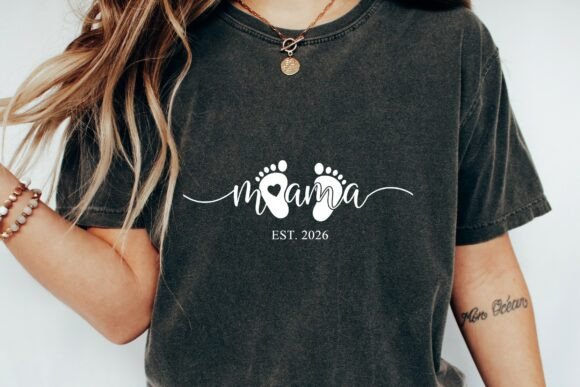
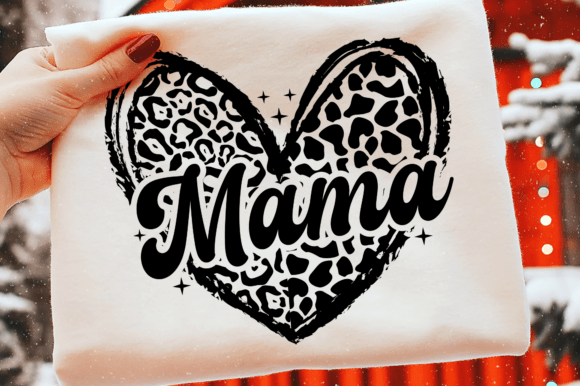
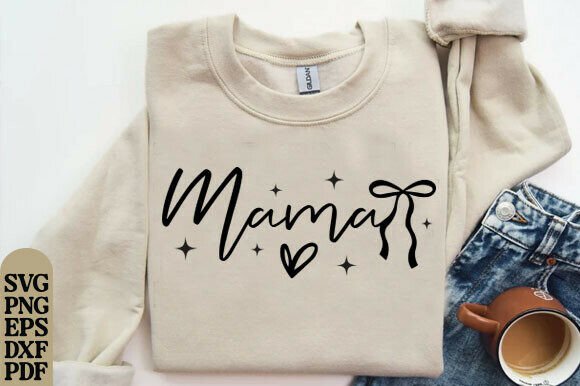
When I opened Mama SVG, First Time Mom SVG, Mother SVG, my first thought wasn’t “cute”—it was “usable.” That’s rare. The design leans into soft curves, gentle lettering, and a quiet heart motif that doesn’t shout but still holds presence. It’s not overly ornate, which is exactly what makes it strong for embroidery. No tiny flourishes that vanish under satin stitch. No fragile serifs that blur on cotton twill or fray on baby onesies. As a machine embroidery designer who tests hundreds of digital embroidery files each year, I appreciate how this one breathes—leaving room for fabric movement, thread texture, and the subtle imperfections that make handmade product feel human.
A Real-World Test: Embroidering a Linen Tote for a Baby Shower Gift
Last week, I stitched Mama SVG, First Time Mom SVG, Mother SVG onto a natural linen tote—intended as a boutique gift for a client’s first-time mom friend. I used medium-weight cutaway stabilizer, 40-weight polyester thread, and a 4-inch hoop. The result? Clean, confident, and quietly joyful. The heart sat centered without crowding the lettering; the word “Mama” held its shape even across the slight weave texture of the linen. Customers don’t buy fonts—they buy feeling—and this design delivers warmth without cliché. It reads as personal, not mass-produced. That matters whether you’re selling at a craft fair or listing on Etsy.
Where This Design Shines (and Where It Needs Thought)
- Custom apparel: Works beautifully on crewneck sweatshirts and relaxed-fit tees—especially when placed left-chest or upper back. The moderate height and open spacing prevent puckering on knit fabrics.
- Baby embroidery & nursery decor: Ideal for burp cloths, pillow covers, and tea towels. Its clean lines read well at small scale—no detail loss when resized to 3.5 inches wide.
- Embroidered patch & tote bag design: Holds up in dense fill stitch without excessive stitch density. I ran it as a standalone patch (no backing) and it stayed crisp after light washing.
- Holiday embroidery & personalized gifts: Paired with a simple monogram or birth date, it becomes a meaningful keepsake—not just seasonal decor.
- Craft business & Etsy seller use: It’s versatile enough for multiple listings (tote + mug wrap + onesie) while maintaining brand cohesion. Buyers recognize the tone instantly: tender, grounded, sincere.
Use With Care: Fabric, Fit, and Functionality Notes
This isn’t a one-size-fits-all embroidery file—and that’s a good thing. Its simplicity means it reveals flaws fast. On stretchy fabric like jersey, skip the running stitch outlines unless you’re using tear-away + topping. On dark fabric, test thread color contrast early: light pink or cream works better than white for softness, but only if your customer expects that nuance. Curved surfaces—like dad caps or curved pillow seams—require repositioning the design so the heart stays upright and legible. And avoid layering it over busy prints; this design earns trust by standing alone.
What You’ll Notice After Stitching
- Visual appeal improves with restraint: It looks more premium on minimalist items—a cream sweatshirt, oatmeal canvas tote, or unbleached tea towel—than on glitter vinyl or neon mesh.
- Stitching clarity stays high: No overlapping elements or micro-details mean fewer thread breaks and smoother hooping—even for beginners.
- Product value lifts subtly: Because it feels intentional, not trendy, buyers perceive higher craftsmanship. That supports pricing confidence for small shop owners.
- Handmade presentation stays authentic: No vector-perfect edges translate to natural stitch variation—ideal for makers who want their work to feel warm, not sterile.
Practical Designer Notes Before You Stitch
Before adding Mama SVG, First Time Mom SVG, Mother SVG to your next batch of custom apparel or digital embroidery file bundles:
- Run a test on scrap fabric matching your final project—especially if using textured or lightweight material.
- Check thread color contrast in both natural and artificial light. What reads softly in daylight may disappear under store lighting.
- Review stitch density in your editing software. If it’s above 12,000 stitches, consider simplifying fill areas for baby items or frequent-wash products.
- Confirm hoop size compatibility. Most versions fit comfortably in a 4×4 hoop—but verify before digitizing for commercial embroidery.
- Inspect small details: Does the heart connect cleanly to the text? Are inner corners smooth enough for satin stitch without thread nesting?
- Test black-and-white mockups. This design relies on shape and balance—not color—so grayscale previews tell you everything about readability.
- Compare performance on light vs. dark fabric backgrounds. Adjust underlay or topping accordingly.
- Use proper stabilizer for your fabric type—cutaway for knits, tear-away for stable wovens, and fusible for lightweight linens.
- Double-check licensing terms before selling finished products or bundling the file in digital design assets. The description says “perfect for a multitude of creative projects,” but commercial rights must be confirmed directly with the source.
Final Thought: A Design That Serves the Maker—and the Moment
Mama SVG, First Time Mom SVG, Mother SVG isn’t flashy. It doesn’t try to be. But in the world of T-Shirt Designs and Graphics meant for real hands and real lives, that’s its strength. It supports intention over impulse, clarity over clutter, and care over convenience. Whether you're stitching a last-minute baby gift, building a cohesive line of nursery decor, or curating digital embroidery file collections for your Etsy shop—it performs with quiet reliability. That kind of consistency builds customer trust, repeat orders, and the kind of handmade product reputation that doesn’t need hype to hold weight.